Reliable Landscape Design Services for Functional Yards
Starting with Creation and Ending in Upkeep: Discover the Broad Selection of Outdoor Options We Supply
Landscaping services involve a broad spectrum of offerings, from preliminary design ideas to regular maintenance. Each step is essential in building and maintaining an external space that corresponds with personal preferences and environmental considerations. By understanding the procedure and alternatives at hand, homeowners can choose wisely that enhance both visual appeal and practical use. What specific features should one consider to ensure a successful landscape transformation?
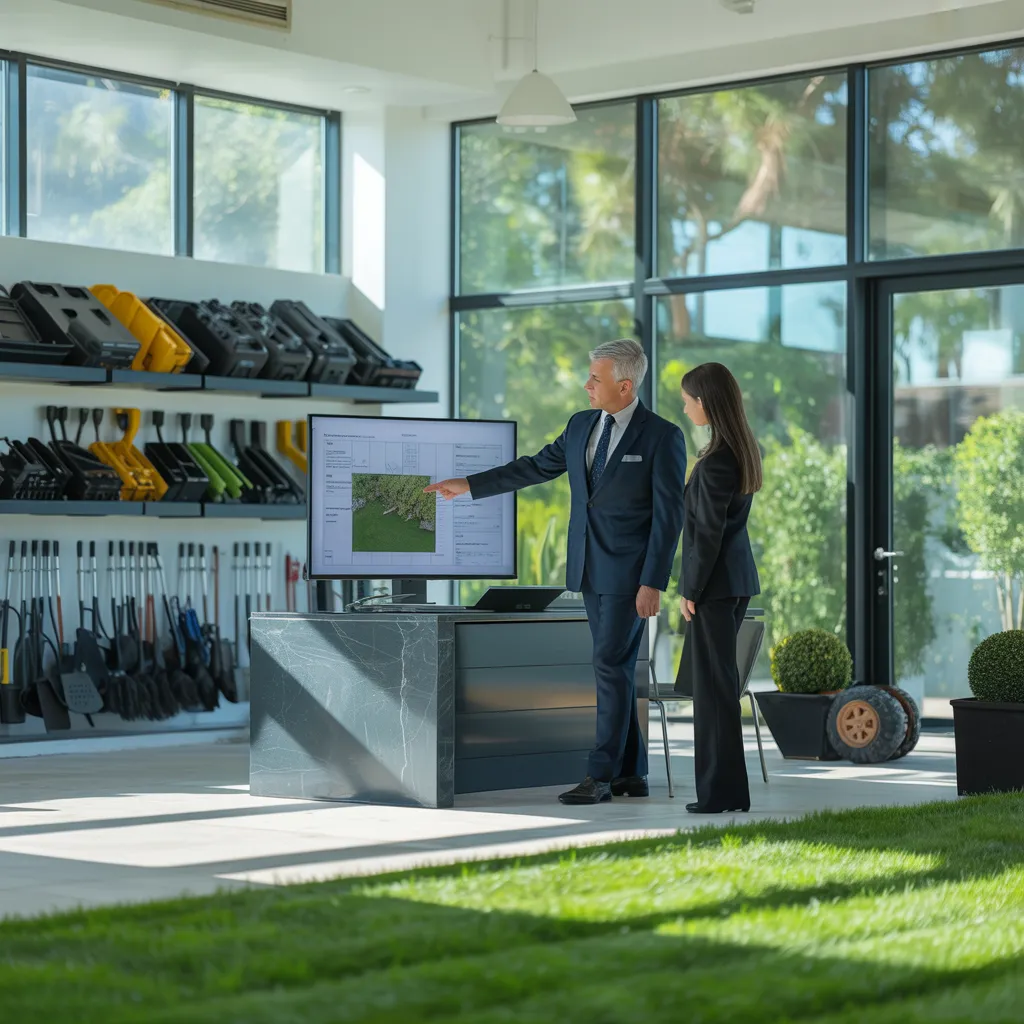
Instructions for Developing Your Garden Design Concept
Establishing a landscaping vision is essential for designing an external area that showcases personal style and meets practical needs. This approach begins with assessing the current landscape, such as soil quality, sunlight exposure, and weather factors. Understanding these elements helps in choosing appropriate vegetation and materials.
Next, individuals should reflect on their lifestyle and how they plan to utilize the space. Whether for entertaining guests, gardening, or relaxation, these activities will dictate design choices.
Creative ideas for visuals can be sourced from various places, including magazines, online platforms, or nature itself. A mood board can support clarifying your preferences.
At the conclusion, setting a financial framework is essential, as it influences plant selection, hardscaping choices, and overall complexity. Through synthesizing these factors, people can establish a coherent landscaping plan that reconciles aesthetic qualities with functionality, supporting a accomplished landscape transformation.
Developing an Excellent Landscape Arrangement
With a clear landscaping vision established, the next step involves creating the perfect landscape design. This procedure demands a blend of creativity and practical considerations. Effective landscape design starts with assessing the site's distinctive characteristics, such as topography, soil type, and sunlight exposure. These factors inform the layout, guaranteeing the design enhances the natural beauty of the environment.
A successful design combines various elements, including hardscaping features like patios and pathways, alongside softscaping components such as lawns and gardens. Thoughtful placement of these components creates a harmonious flow, directing visitors through the space. Additionally, attention to size and ratio ensures that each element complements the others, avoiding congestion or imbalance.
Ultimately, the design should reflect the client's inclinations while maintaining efficiency. By strategically organizing every detail, a landscape design can turn the outdoor space into a breathtaking and inviting atmosphere, available to be enjoyed year-round.
Picking Plants That Do Well in Your Regional Climate
Choosing vegetation that flourish in a particular climate requires a comprehensive knowledge of climate zones, which show which plants can withstand local climate conditions. Furthermore, favoring native plants can enhance ecological balance and resilience in the landscape. Seasonal planting considerations also serve as an crucial role in guaranteeing long-term achievement and vitality of the landscape.
Understanding Hardiness Regions
Understanding hardiness zones is important for gardeners and landscapers aiming to raise plants that will thrive in their specific climates. These zones, established by the USDA, classify regions based on average minimum winter temperatures. By identifying the hardiness zone of a location, individuals can pick plants that are more likely to survive local weather conditions. Each zone is marked by a number, with subdivisions indicating minor temperature variations. For instance, a plant meant for Zone 5 may not do well in Zone 4, where winters are harsher. Understanding these zones helps in deciding on plant selection, guaranteeing healthier landscapes and minimizing plant failure. This knowledge ultimately leads to a more sustainable and lively garden or landscape.
Native Vegetation Selection
While many gardeners may be tempted to choose foreign species for their landscapes, selecting native species often delivers better results. Local species are adapted to local climates and soils, requiring less water and maintenance compared to non-native varieties. They supply essential habitats for regional fauna, promoting biodiversity and ecological balance. Opting for local plants can also minimize infestation problems, as these plants are inherently protected to local diseases. Moreover, including native plants boosts the visual charm of a landscape by displaying the area's organic splendor. Plant enthusiasts are inspired to explore the specific native plants fitting for their locality, securing a thriving garden that aligns with environmental sustainability. Ultimately, native plant selection creates a peaceful and durable landscape.
Consider seasonal sowing elements when selecting what to grow
In preparing a garden, gardeners must take into account the seasonal environmental changes that impact plant growth and health. Choosing plants that do well in specific climate zones guarantees peak performance and longevity. For example, in the warmer regions, drought-resistant plants are often selected, while cooler climates benefit from hardy perennials that can withstand frost. Understanding local weather patterns, including rainfall and temperature fluctuations, assists in selecting the right species. Additionally, seasonal changes dictate the best planting times; spring suits many annuals, whereas fall is ideal for some perennials. By aligning plant selection with local climate conditions, gardeners can create vibrant, eco-friendly landscapes that grow through all seasons, reducing maintenance efforts and enhancing the overall appeal of the garden.
Build Your Desired Patio Area
Building a perfect backyard sanctuary requires careful consideration of tailored design solutions that express personal styles. Functional outdoor features, including lounging zones and cooking spaces, boost usability while matching the complete look. Collectively, these features create a yard into a unique getaway.
Customized Layout Approaches
Customized design solutions provide homeowners the chance to convert their outdoor spaces into personalized oases. By taking into account individual preferences, lifestyles, and environmental factors, landscaping professionals develop unique designs that embody the homeowner's vision. These solutions include a range of elements, such as plant selection, hardscaping, and layout adjustments, ensuring each outdoor space is both aesthetically pleasing and functional. Collaborating with clients, designers integrate specific themes, colors, and materials, which enhances the overall appeal. The emphasis is on crafting harmonious environments that blend seamlessly with the home while meeting the homeowner's practical needs. Ultimately, customized design solutions not only improve the beauty of outdoor areas but also create a sense of connection with nature, enriching everyday experiences.
Practical Exterior Elements
Valuable outdoor features maintain an essential role in enhancing the operability and contentment of outdoor living spaces. These constituents, such as patios, decks, and outdoor kitchens, generate engaging areas for repose and fraternizing. Incorporating features like fire pits and water elements can present both charm and practical impacts, permitting homeowners to relish their yards perpetually. Concurrently, strategically placed seating and dining areas stimulate gatherings, while pathways and lighting bolster passage and safety. Ecologically responsible options, like rain gardens and permeable paving, promote environmental vitality. To conclude, valuable outdoor amenities reimagine a yard into a adaptable space that fulfills heterogeneous purposes, aiding homeowners to amplify their outdoor experience while nurturing a tranquil balance between nature and design.
What Methods Can Help Your Landscaping Become More Eco-Friendly?
How can homeowners convert their outdoor spaces into eco-friendly landscapes? One practical approach is to incorporate native plants, which require less water and maintenance while supporting local wildlife. Using water-conserving species can greatly reduce water consumption, making landscapes more sustainable.
Another option involves utilizing rain gardens to mitigate stormwater discharge effectively, allowing rainwater to soak into the ground rather than contributing pollution. Homeowners can also choose sustainably-sourced fertilizer products and pest management techniques methods to minimize chemical usage, promoting a superior ecosystem.
Using porous pavement solutions on pathways and driveways can boost groundwater permeation, lessening soil loss and stormwater flow. Additionally, setting up compost bins facilitates waste recycling and improves ground condition.
Vital All-Season Landscape Maintenance
What essential tasks promise a landscape persists as colorful and well throughout the year? Year-round landscape maintenance incorporates a variety of important activities that foster superior advancement and charm. Regular mowing confirms that grass remains fit and at an suitable height, while seasonal fertilization provides necessary nutrients. Pruning shrubs and trees not only sustains their shape but also spurs sound growth and lowers the risk of disease.
Another key task is weeding, as it halts competition for resources among plants. Mulching helps retain soil moisture and reduces weed growth, boosting the overall appearance of garden beds. Seasonal monitoring of irrigation systems practical guide also ensure efficient water use, preventing waste and promoting sustainability.
Transforming Your Space: Remarkable Before and After
A neatly kept landscape sets the stage for significant changes that can refine any outdoor setting. Landscaping services are dedicated to revitalizing spaces, exhibiting remarkable before-and-after transformations that captivate. These projects usually begin with a comprehensive assessment of the present landscape, locating problem areas, such as unruly foliage, aging paths, or insufficient lighting.
Once the design is finalized, skilled professionals introduce additions that may include new plantings, design elements, and functional installations like patios or outdoor kitchens. The outcomes can be striking: barren yards can evolve into colorful gardens, while dull pathways can be transformed into attractive pathways.
Photographs capturing these changes highlight the effectiveness of expert landscaping. The dramatic difference between the starting condition and the completed work stresses not only visual beauty but also the enhanced worth of the residence. Ultimately, a gorgeously renovated landscape can create a inviting environment, enriching the overall experience of outdoor living.

Regularly Asked Questions
What Is the Typical Price of Landscaping Services?
The average cost for landscaping services typically ranges from $1,500 to $5,000, depending on elements like the size of the project, level of difficulty, and types of materials employed. Homeowners often find fluctuating costs based on market conditions
How much time Does a Landscaping Project Typically Take?
A landscaping initiative typically requires one to four weeks, subject to factors like project size, complexity, weather conditions, and the specific services required. Proper planning can help accelerate the timeline with effectiveness.
Do You Offer Seasonal Landscape Design Packages?
Yes, seasonal landscaping services are provided, including spring clean-ups, summer maintenance, autumn leaf removal, and winter preparations. These services ensure landscapes remain vibrant and visually appealing throughout the changing seasons, addressing specific seasonal needs effectively.
Will I Be Able to Upkeep My Outdoor space Myself Post-Implementation?
Yes, keeping a landscape independently after installation is possible. However, it demands familiarity with correct techniques, equipment, and seasonal upkeep to ensure the landscape stays robust and aesthetically pleasing over time.
Which Equipment Are Used for Landscape Jobs?
Landscaping projects typically require tools such as lawnmowers, trimmers, blowers, shovels, rakes, and various power tools. Larger projects may also include excavators and trucks for transporting materials, improving efficiency and precision in the work.